


Updated October 30, 2025
How to create your Employee Value Proposition (EVP)
Employee Value Proposition
Employer Branding Strategy


Neil Rojas
Neil is the Co-Founder and Head of Consulting at Workbean, the Philippines' first full-service employer branding agency. He leads the building of bold, human-centered employee value proposition (EVP) projects that help companies turn culture into a competitive advantage.
An Employee Value Proposition (EVP) is the clear and concise benefit that an employee receives in exchange for the talents, skills, and expertise they will commit to their role while working at your company.
Companies will have more than one EVP, which will impact and resonate with employees to varying degrees. The key is to focus on anywhere between three to five core EVPs that are most evident, have the most significant impact on why employees stay, and oftentimes, have become synonymous with your employer brand in the talent market.
This is different from an EVP Statement which, like a product tagline, is designed to capture the essence of all the company’s EVPs into a single statement that would differentiate the company from its competitors and is used to answer the question “Why should I work for you?”
The goal for your EVPs is for these to be clear, concise, and authentic to your employee experience.
Understanding EVP: More Than a Slogan
The idea of an employee value proposition has been around since the early 1990s, when organizations began realizing that talent retention and engagement were just as important as customer satisfaction. Over time, research has shown that a strong EVP can improve not only retention rates but also employee engagement and overall business performance.
An EVP is what makes people love working where they do. It's not just about perks or pay; it's about the combination of organizational culture, values, career development, and meaningful work that shapes the employee experience.
Unlike an EVP statement, which is a short, memorable way to describe why someone should work at your company, the EVP itself represents the full employee lifecycle.
Starting With Your Company's Core
Before creating an EVP, it's essential to understand what makes your company unique. This starts with clarity on your vision, mission, and values (VMVs). Employees resonate most with organizations that share their principles. When you have a solid understanding of your company's purpose, workplace culture, and what it stands for, you're ready to translate that into a compelling employee value proposition.
For smaller companies, this is often straightforward. Leaders can directly communicate values daily, and employees feel the mission in every interaction. In larger organizations, connecting employees to company values can be trickier, but it's equally critical. Intentional communication, storytelling, and consistent culture-building help employees feel connected and can turn them into brand ambassadors.
Listening to Employees: The Heart of EVP
The most important step in creating an EVP is listening! Employee insights reveal what motivates people beyond salary. Focus groups, employee surveys, and one-on-one interviews help uncover the stories and experiences that make your company unique. For a deeper dive on how to start exploring your EVP, check out our Definitive Guide to Employee Value Proposition (EVP) Research.
Employees often stay for intangible reasons: supportive managers, a sense of belonging, career progression opportunities, or the feeling that their work has a meaningful impact. Collecting these insights ensures your EVP is authentic and grounded in reality. Exit interviews can also provide valuable feedback on why employees leave, helping to refine your value proposition.
Crafting Your EVP
Once you understand what employees value, you can begin crafting your EVP! While every company's employee value proposition will be unique, most successful ones focus on several core areas: compensation and benefits package, career advancement, work flexibility, workplace culture and values, and meaningful work.
Your EVP should capture these elements in a way that feels human and relatable. Statements like "Grow with purpose" or "Where bold ideas become real impact" are concise yet meaningful. Supporting these statements with employee stories and testimonials makes them tangible and credible.
Consider including aspects such as:
- Work-life balance and remote work options
- Professional development and skill development opportunities
- Mental health support and wellness programs
- Inclusive culture and diversity initiatives
- Job security and performance management practices
Bringing EVP to Life
Defining an EVP is only the first step. To truly leverage it, you need to integrate it into your employer branding strategy. Embed it in job postings, recruitment campaigns, onboarding programs, and internal communications. When candidates and employees consistently see your EVP reflected in daily life, it strengthens engagement and loyalty.
EVPs are not static. Employee priorities, company culture, and business goals evolve. The best EVPs are revisited periodically, ensuring they continue to reflect what employees truly value. Regular engagement surveys and employee feedback can help you stay attuned to changing needs and expectations.
Real-Life Examples
Workbean's EVP give importance to contributing to the future of work by “doing work that makes work, work.” Unilever highlights purpose, growth, and sustainability. While Grab, a Southeast Asian company, built around its mission-driven culture, which it calls the "4H values": Heart, Hunger, Honour, and Humility.
Notice a pattern: strong EVPs are simple, memorable, and deeply connected to culture. They're not just statements. They reflect real experiences and priorities, including aspects like work flexibility, career development, and organizational culture.
Common Pitfalls to Avoid
Even with a clear process, EVP creation can go wrong. Companies sometimes copy competitors, create slogans that aren't grounded in reality, or focus too much on perks while ignoring culture and values. To avoid these mistakes, stay authentic, listen carefully, and ensure your EVP reflects the actual employee experience.
Some common pitfalls include:
- Ignoring the importance of work-life balance and workplace flexibility
- Overlooking the need for continuous learning opportunities
- Failing to address employee turnover and retention issues
- Neglecting to highlight unique aspects of your organizational culture
Why You Should Trust Us
This guide was written and reviewed by Neil Rojas, Co-Founder and Head of Consulting of Workbean, the Philippines' first full-service employer branding agency. We have spent years helping organizations across industries uncover what truly drives their people, turning culture into a competitive advantage through bold, human-centered EVP and employer brand strategies.
At Workbean, our team has partnered with some of the country's top employers to research and design authentic employee value propositions (EVPs) that boost engagement, strengthen retention, and attract high-performing talent. We've conducted hundreds of hours of interviews and focus groups, benchmarked employer brands across Southeast Asia, and refined data-driven frameworks for defining the "Give vs. Get" balance that sits at the heart of every EVP.
Like all Workbean content, this guide was created with full editorial independence. Our goal is not to sell, but to share evidence-based insights from our first-hand experience in EVP research, talent strategy, and workplace culture, so you can build an employer brand people love!
Conclusion
Creating an employee value proposition is a strategic, research-backed journey. It begins by understanding your employees, identifying what makes them stay, and translating that into themes that reflect your culture and values. Once crafted, your EVP becomes a core part of your employer brand, attracting the right people and keeping your current employees engaged.
A strong EVP is discovered by listening, not invented in a boardroom.
By investing in an authentic, well-researched EVP, your company can stand out in the competitive talent market while fostering a purpose-driven workplace. Remember, a strong EVP can significantly reduce recruitment costs, improve employee satisfaction, and drive overall business success.
FAQs
Find the answer to commonly asked questions
What is an EVP?
⌃
How is an EVP different from an EVP statement?
⌃
Why is EVP important?
⌃
How do I create an EVP?
⌃
How often should I update my EVP?
⌃


Discover how respectful offboarding creates high-performing boomerang hires and lifelong brand advocates with Workbean.

In this article, Workbean’s co-founder, Neil Rojas explores the "Philippine Culture Trap"—why Philippine organizations struggle to accurately read their own internal culture and how structural, societal, and individual dynamics shape workplace reality.
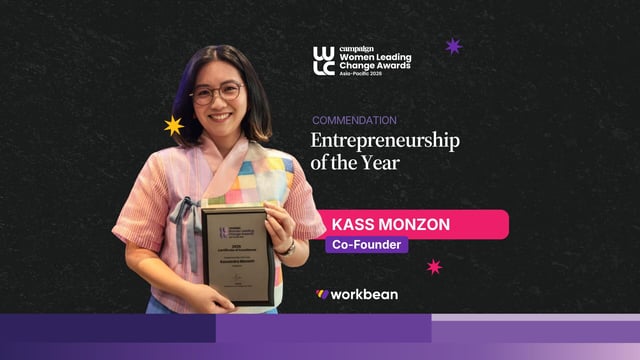
Workbean Co-Founder & CEO Kassandra Monzon earned a Commendation for Entrepreneurship of the Year at Campaign Asia-Pacific's Women Leading Change Awards (WLCA) Asia 2026. Here is how Workbean is reshaping employer branding in the Philippines.

Ready to uncover your employer brand’s unique voice? Let’s talk →
- Sitemap
- Reach out
- Project Inquiry
Join Our Team


- Singapore
160 Robinson Road, #14-04 Singapore Business Federation Centre, 068914 Singapore
- Philippines
Unit 4D, 134, Building Jupiter, Makati City, 1209 Metro Manila