


Published February 04, 2026
10 Employee Engagement Strategies That Actually Drive Results in 2026
Employer Engagement Strategies


Kass Monzon
Kass is the CEO and Co-Founder of Workbean, the Philippines’ first full-service employer branding agency. She builds bold, human-centered campaigns that help companies turn culture into a competitive advantage.
Have you ever had that "Sunday Scaries" feeling? It’s that heavy, sinking pit in your stomach on Sunday night because you’re already dreading Monday morning. For millions of people, work has become a chore they just have to survive rather than a place where they thrive.
During the height of the pandemic, the term "quiet quitting” erupted, and it isn't just about being lazy; it’s when someone shows up, does the bare minimum to not get fired, and spends the day watching the clock until it hits 5:00 PM. They are physically there, but their heart and minds are miles away.
It turns out, this isn't just a bad mood; it is a global crisis. According to Gallup, low engagement costs the world economy trillions of dollars every year in lost productivity. When people aren't excited to show up, everything slows down. Mistakes happen more often, customer service gets grumpy, and your most talented people eventually just walk out the door to find something better.
But here is the secret: work doesn't have to suck. In this guide, we’re going to look at employee engagement strategies that actually drive results. These aren't just "pizza parties" or shallow "office perks." They are real, human ways to make people feel like they belong, like they matter, and like their hard work is actually going somewhere.
Why Employee Engagement Matters More Than Ever
Back in the day, people often stayed at one job for 40 years just for the promise of a pension and a gold watch at the end. Those days are long gone. Today, the hidden cost of unhappy employees is higher than ever. If people don't feel a connection to their work, they will leave for a company that offers them a better experience.
The Link Between Engagement and Profitability
Think of your company like a garden. If you just plant seeds and walk away, the weeds will take over. But if you water the plants, pull the weeds, and make sure there is plenty of sunlight, the garden will produce a huge harvest.
Engaging your employees is the "watering" part of business. Highly engaged teams are 23% more profitable. Why? Because happy employees don't just do their jobs, they look for ways to do them better. They treat customers with more kindness, they stay with the company longer, and they are the ones who come up with the "big ideas" that keep your business ahead of the competition.
Reducing Turnover and "Quiet Quitting"
Losing a great teammate is like losing a star player on a sports team right before the playoffs. It’s expensive, it’s frustrating, and it hurts the vibe of the whole group. Engagement acts like a shield against this.
When you focus on your Employee Value Proposition (EVP)—which is basically the "social contract" or promise you make to your workers about what they get (like growth, respect, and balance) in return for their skills—you give them a strong reason to stay. As Ziglar points out, developing excellence in others is the key to top performance for the whole organization.
Top Employee Engagement Strategies for 2025
1. Prioritize Psychological Safety and Open Talk
Imagine you’re in a meeting and you notice a mistake in a big project. But you keep your mouth shut because you’re afraid your boss will embarrass you or write you up. That is the opposite of psychological safety.
Psychological safety means you feel safe to take risks, ask "dumb" questions, and admit mistakes without being punished. When trust is high, people don't hide their errors—they fix them together. This leads to way more creativity because people aren't afraid of being laughed at for a wild idea.
Actionable Tip: Implement a weekly "Ask Me Anything" (AMA) session with the CEO. If leaders can admit when they are wrong or answer tough questions honestly, it proves to everyone else that it’s okay to be human.
2. Offer Flexible and Remote Work Options
The world changed forever a few years ago, and there is no going back to the old way of doing things. For many people, remote employee engagement is now the #1 thing they care about.
Flexibility is about more than just working from home. It’s about "the commute tax," saving those two hours a day stuck in traffic so you can walk your dog, go to the gym, or pick up your kids from school. When a company offers flexibility, they are saying, "I trust you to get your work done, and I respect your life outside of this office." That trust is a massive motivator that money can't buy.
Actionable Tip: Focus on output instead of butt-in-seat time. If a project is finished and it’s amazing, it shouldn't matter if it was done at 10:00 AM in an office or 10:00 PM in a coffee shop.
3. Create Clear Career Pathways (The "Jungle Gym")
Think of your career like a video game. If you’ve been stuck on Level 1 for three years, you’re eventually going to get bored and turn the game off. People need to see where they are going. If they can't see a future with you, they will start looking for a future with your competitor.
In 2026, we are moving away from the career ladder (where you only move up) and toward the career jungle gym. This means people might move sideways to learn a new skill, like a salesperson moving into marketing to learn how to write ads.
Actionable Tip: Toss out the scary, once-a-year Annual Performance Review. Instead, try quarterly growth conversations. Don't just talk about what they did wrong in the past; ask: "Where do you want to be in six months, and what tools do you need from me to get there?"
4. Implement a Robust Recognition Program
We all get a little dopamine hit when someone says "good job." But a generic Employee of the Month photo on a dusty wall doesn't really work anymore. Staff appreciation needs to be specific, personal, and fast.
If you wait until a bonus check at the end of the year to say thanks, the employee has already forgotten what they did! When you recognize someone immediately for a specific action—like "Hey, thanks for staying ten minutes late to help the new guy understand that software"—it reinforces that specific good behavior.
Actionable Tip: Use peer-to-peer recognition tools like Bonusly. This lets teammates give each other small points that can be traded for real gift cards. It makes saying "thank you" feel like a fun game.
5. Focus on Health and Holistic Wellness
Work shouldn't make you sick, and it shouldn't leave you so stressed that you can't sleep. Modern corporate wellness programs go way beyond just giving people a free gym membership. It’s about holistic health, which means looking at the whole person, including their mental health and financial stress.
If an employee is worried about how they’re going to pay their electric bill or is struggling with anxiety, they can't possibly give 100% to their job. Taking care of your people’s well-being is not "soft," it’s smart business.
Actionable Tip: Offer "Recharge Days." These are extra days off where the entire company shuts down at the same time. This is better than a regular vacation because nobody feels guilty about checking their email.
6. Empower Middle Managers as Coaches
Most people don't actually quit their jobs; they quit their bosses. A bad manager can make a high-paying dream job feel like a nightmare. In fact, 47% of employees who quit their jobs report that they actually loved the work itself but couldn't stand their manager. Furthermore, 90% of departing employees state their boss influenced their decision to leave, with 58% specifically citing management style as the primary reason for their exit. In the past, managers were like “policemen” watching for mistakes. Today, they need to be coaches helping people win.
This requires emotional intelligence (EQ). A great manager knows when an employee is burnt out just by the tone of their voice and knows how to offer support rather than just more work.
Actionable Tip: Give your managers a Joy Budget. This is a small amount of money they can use whenever they want to buy the team coffee or a surprise book without having to ask the big bosses for permission.
7. Align Individual Roles with Company Purpose
There is a story about a janitor at NASA in the 1960s. When a visitor asked what he was doing, he didn't say "mopping the floor." He said, "I'm helping put a man on the moon."
That is the power of purpose at work. Even if someone's job is data entry or answering phones, they need to see how that task helps a real customer or makes the world a little bit better. When people feel like they are part of a mission, they work with a different kind of energy.
Actionable Tip: Start every team meeting by sharing a Customer Win story. Show a video or read an email from someone whose life was made easier because of your team’s hard work.
8. Modernize Your Onboarding Process
First impressions are everything. Imagine showing up for your first day at a new job and nobody knows where you’re supposed to sit and your laptop doesn't work. You’d probably go home and wonder if you made a mistake joining that company.
Engagement starts before the first day, a phase called "pre-boarding." A great onboarding process makes a new hire feel like they’ve joined a family, not just a business.
Actionable Tip: Assign an "Onboarding Buddy." This is a peer (someone on their level, not their boss) who can show them the unwritten rules, like where people usually go for lunch.
9. Build a Diverse and Inclusive Culture
The best ideas happen when people from different backgrounds, ages, and cultures talk to each other. If everyone in the room thinks the same way, you’re stuck in an echo chamber. Diversity and inclusion (D&I) make people feel safe to bring their whole selves to work.
When an employee feels they have to hide who they are to fit in, they waste a huge amount of mental energy that could be spent on being creative.
Actionable Tip: Create Employee Resource Groups (ERGs). These are groups where people with similar backgrounds can connect and give the company feedback on how to make things better.
10. Offer Competitive and Fair Pay
Let's be totally honest: you can't pay your rent with appreciation or purpose. While money isn't the only thing that matters, if your pay is unfair or confusing, nothing else on this list will work.
Transparency is key here. If people find out they are being paid less than someone else for the same work, trust is broken instantly. Fair pay is the foundation that everything else is built on.
Actionable Tip: Do a Pay Equity Audit every year. Make sure that everyone is being paid fairly based on their skills and experience, regardless of their background.
Measuring Your Success: How Do You Know It's Working?
You wouldn't drive a car across the country without looking at the dashboard, right? You need to know if your employee engagement ideas are actually moving the needle.
Moving Beyond the Annual Survey
Waiting 12 months to ask your employees how they feel is a recipe for disaster. By the time you read those results, the unhappy people have likely already quit. Use pulse surveys, short, 2-minute surveys sent once a month to check the vibe of the office in real-time.
Key Metrics to Track
• Turnover Rate: Is the number of people quitting going down?
• Absenteeism: Are people calling out "sick" because they are too stressed to face the office?
• Internal Promotion Rate: Are your current employees growing into leadership roles?
• eNPS: This stands for Employee Net Promoter Score. It’s the answer to just one question: "On a scale of 0-10, how likely are you to recommend this company to a friend as a great place to work?".
Why You Should Trust Us
This guide was authored and reviewed by Kass Monzon, CEO and Co-Founder, alongside Neil Rojas, Head of Consulting and Co-Founder at Workbean, the Philippines' first full-service employer branding agency. We have spent years helping organizations across industries uncover what truly drives their people, turning culture into a competitive advantage through bold, human-centered EVP and employer brand strategies.
At Workbean, our team has partnered with some of the country's top employers to research and design authentic employee value propositions (EVPs) that boost engagement, strengthen retention, and attract high-performing talent. We've conducted hundreds of hours of interviews and focus groups, benchmarked employer brands across Southeast Asia, and refined data-driven frameworks for defining the "Give vs. Get" balance that sits at the heart of every EVP.
Like all Workbean content, this guide was created with full editorial independence. Our goal is not to sell, but to share evidence-based insights from our first-hand experience in EVP research, talent strategy, and workplace culture, so you can build an employer brand people love!
Conclusion
At the end of the day, employee engagement strategies aren't about "tricking" people into working harder for less money. They are about treating people like human beings with lives, dreams, and feelings. When you create a culture built on trust, growth, and purpose, people don't just show up for a paycheck, they show up to make a difference.
Remember, building a great culture is a journey, not a destination. You have to keep working at it, listening to your team, and making changes every single day.
Which of these strategies will you try first? Maybe it's writing a simple thank-you note today or starting a new flexible work conversation. Share your thoughts with us on LinkedIn!
FAQs
Find the answer to commonly asked questions
What are the 5 C's of employee engagement?
How do you improve engagement with a low budget?
What are the main drivers of employee engagement?
More interesting reads


In this article, Workbean’s co-founder, Neil Rojas explores the "Philippine Culture Trap"—why Philippine organizations struggle to accurately read their own internal culture and how structural, societal, and individual dynamics shape workplace reality.
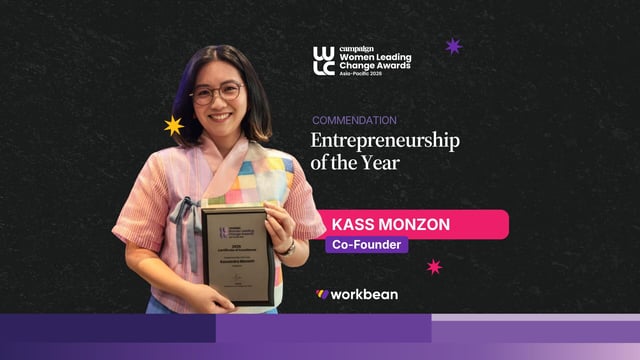
Workbean Co-Founder & CEO Kassandra Monzon earned a Commendation for Entrepreneurship of the Year at Campaign Asia-Pacific's Women Leading Change Awards (WLCA) Asia 2026. Here is how Workbean is reshaping employer branding in the Philippines.

Discover how 15 global and Philippine accounts master #CareerTok, and see why partnering with Workbean helps companies craft authentic, cringe-free short-form video strategies that attract top modern talent.

Ready to uncover your employer brand’s unique voice? Let’s talk →
- Sitemap
- Reach out
- Project Inquiry
Join Our Team


- Singapore
160 Robinson Road, #14-04 Singapore Business Federation Centre, 068914 Singapore
- Philippines
Unit 4D, 134, Building Jupiter, Makati City, 1209 Metro Manila